Pest Control Services That Minimize Disruption to Daily Life
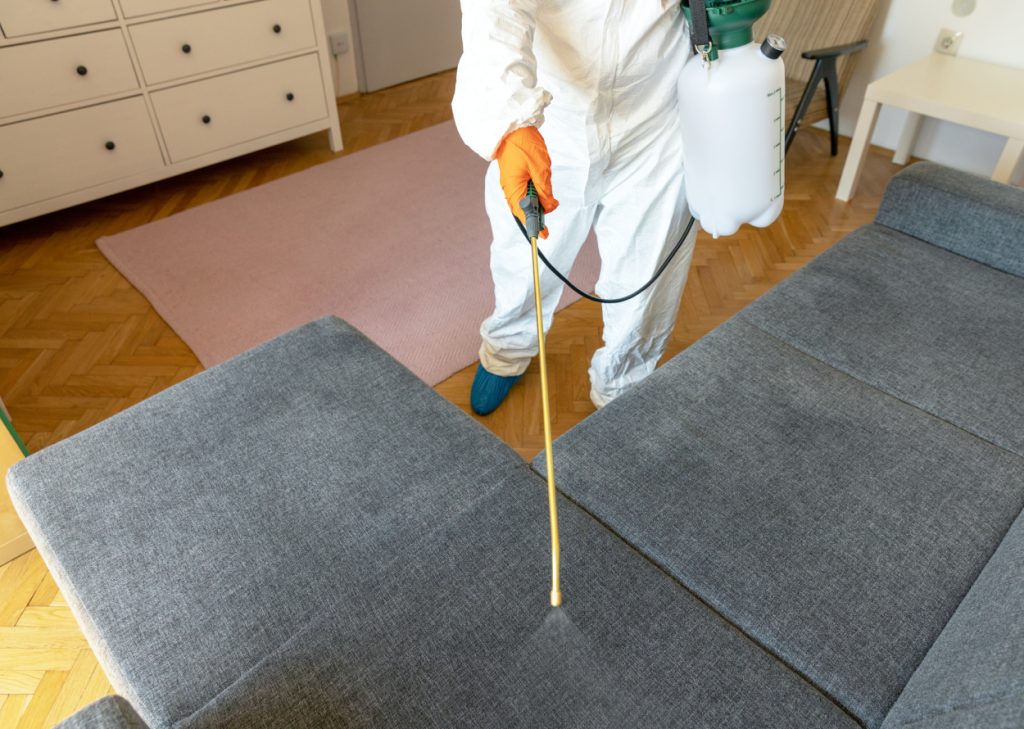

Most people do not call pest control at the first sign of a problem. They wait. They notice a trail of ants near the sink, hear scratching in the wall after midnight, or spot droppings in the garage and hope it is a one-off. Usually, the delay has less to do with cost than inconvenience. People worry that treatment will mean emptying cabinets, leaving the house all day, breathing harsh chemicals, or managing a week of upheaval while work, school, pets, and meals still need attention.
That concern is reasonable. Some pest issues do require aggressive intervention, and some treatments are unavoidably disruptive. But a surprising number of effective pest control services can be planned and delivered with very little interruption to daily routines. The difference usually comes down to how the service is designed, how accurately the pest is identified, and whether the company is using a targeted strategy rather than treating every problem like an emergency fumigation.
The pest control firms that cause the least disruption tend to have a few things in common. They inspect before they prescribe. They explain what they are doing in plain language. They tailor treatment to the pest’s biology and the building’s layout. They also understand that successful pest management is not just about killing insects or trapping rodents. It is about solving the problem while letting the household or business keep functioning.
What low-disruption pest control really looks like
When people hear "minimal disruption," they often imagine a service that is weaker or less thorough. In practice, that is rarely true. A well-planned, low-impact approach is often more effective because it is precise.
For example, treating a kitchen ant problem does not usually require soaking baseboards or spraying every room. If the technician identifies the species, finds the entry route, and uses the correct bait in the right locations, the colony can often be controlled with limited product and almost no interruption to cooking or cleanup. The same principle applies to many common issues, from German cockroaches in apartment kitchens to mice entering through garage gaps in winter.
Minimal disruption usually means a few practical things. Occupants can remain in most or all of the property during service. The treatment is confined to affected zones rather than broadcast everywhere. Preparation is limited to realistic steps, not a whole-house purge. Follow-up is built in, so the first visit does not need to do every bit of work at once. For families with children, older adults, or pets, this matters a great deal.
There is also a scheduling component that gets overlooked. Good pest control services respect the client’s time. They offer arrival windows that are not absurdly broad, explain whether drying time is needed, and tell clients in advance if they will need access to attics, crawl spaces, utility rooms, or exterior gates. A treatment that works well but derails an entire workday is not as seamless as it should be.
Why precision matters more than force
In homes and businesses, the most disruptive pest control often comes from treating symptoms instead of causes. Someone sees a few roaches and asks for a full interior spray. Someone hears one mouse and assumes the entire structure needs blanket trapping. That approach can waste time, money, and patience.
Pests are not interchangeable. Pharaoh ants react badly to some over-the-counter sprays because colonies can split and spread. Bed bugs behave differently from fleas, and moisture-loving springtails are not solved the same way as pantry beetles. Rodent activity in a drop ceiling calls for a different plan than rodents nesting in insulation. The more specific the diagnosis, the less broad the treatment has to be.
An experienced technician usually starts with questions that sound simple but matter a lot. When did you first notice activity? Is it worse at night? Have you seen wings, droppings, grease marks, or damaged packaging? Has there been recent rain, remodeling, new landscaping, or a change in garbage storage? Those details help narrow down where pests are feeding, hiding, and traveling. A targeted plan follows naturally from that.
This is where professional judgment earns its keep. Two properties with the same pest can need very different responses. A single-family home with occasional exterior ants can often be managed through perimeter treatment, exclusion, and habitat adjustment. A restaurant with drain flies and food debris in floor sinks needs a sanitation-driven program with repeated monitoring. The best service is not the biggest one. It is the one that matches the problem closely enough that nothing extra is needed.
The service models that tend to interfere the least
Certain pest control methods are consistently easier on daily life because they rely on placement, timing, and monitoring rather than broad application. That does not mean they are appropriate in every case, but they are often the first choice when disruption needs to stay low.
- Targeted baiting for ants, cockroaches, and some occasional invaders
- Crack-and-crevice treatments instead of wide interior spraying
- Exterior perimeter defense paired with sealing entry points
- Monitoring stations for rodents and crawling insects
- Follow-up service in short, focused visits rather than one long overhaul
Targeted baiting works well because it uses pest behavior against the pest. Ants carry bait back to the colony. Roaches feed on placed materials in harborage areas. When done correctly, the active ingredient stays where the pest is likely to contact it, instead of being dispersed over large surfaces. That reduces both occupant exposure and unnecessary treatment.
Exterior-focused programs are another good example. Many insect problems start outside, near mulch, foundation cracks, utility penetrations, standing water, or dense vegetation touching the structure. If a technician can reduce pressure at the perimeter and close entry routes, indoor treatment may be very limited or not needed at all. This is especially useful for spiders, perimeter ants, stink bugs, and seasonal invaders.
Rodent work is often least disruptive when the company emphasizes exclusion and strategic trapping. Sealing a quarter-inch gap under siding or around a conduit does more for a mouse problem than weeks of random trap placement. One of the more common mistakes I have seen in buildings is the assumption that bait alone will solve rodent issues. It may suppress numbers, but unless access points are addressed, the problem tends to return.
The pests most compatible with low-disruption treatment
Some pests are relatively cooperative from a service-planning standpoint. Others are not. Knowing the difference helps set realistic expectations.
Ants are often manageable with little interference, provided the species is identified correctly. Pavement ants, odorous house ants, and similar nuisance species usually respond to baiting and exterior treatment. Carpenter ants can also be handled with a measured approach, though the technician needs to determine whether there is an active nest in the structure or simply foraging activity from outside. If moisture-damaged wood is involved, some carpentry repairs may be part of the solution.
Many spider complaints can be addressed with low disruption because the service often centers on reducing prey insects, brushing webs, treating exterior entry points, and correcting conditions around foundations, eaves, and storage areas. The biggest challenge is usually expectation. People often want immediate zero-spider conditions, but spider control tends to improve over days and weeks as food sources decline.
Mice can often be managed with minimal disruption if the infestation is caught early. A handful of traps in concealed routes, paired with solid exclusion work, usually causes far less interruption than people fear. Where the problem becomes more intrusive is when there is a long-established population in wall voids, attics, or cluttered storage areas. Then cleanup and access become https://cesarqjlw324.evergrovio.com/posts/how-pest-control-services-improve-indoor-health-and-comfort a larger part of the project.
Cockroach work can go either way. A light to moderate issue, particularly if it is localized, may be handled with gel bait, insect growth regulators, and void or crack treatment with little inconvenience. A heavy infestation in a multi-unit property is different. Residents may need to empty cabinets, improve housekeeping access, and cooperate with repeated visits. The more established the infestation, the harder it is to promise low disruption.
Bed bugs sit at the far end of the spectrum. Some modern service approaches are more streamlined than they used to be, but bed bug control still tends to involve preparation, laundering, clutter reduction, and follow-up. Anyone promising a truly effortless bed bug treatment is usually overselling. It can be done professionally and efficiently, but it rarely blends invisibly into ordinary life.
Termite work depends on the treatment type. Bait systems often involve low disruption after installation, while liquid trenching and drilling can be more intrusive, especially in finished spaces or around hardscape. Even then, a skilled crew can often stage the work so the property remains fully usable.
How family routines shape the right treatment plan
A household with toddlers, a shift worker sleeping during the day, an elderly parent with respiratory sensitivity, and a dog that licks everything on the floor cannot be treated the same way as an empty rental between tenants. Good pest control services take routine seriously.
This comes up most often with kitchens, bedrooms, and pet areas. If a family needs dinner on the table by six, there is no point scheduling a service that blocks access to the kitchen until evening unless the infestation leaves no alternative. In many homes, technicians can work around routines by focusing first on utility penetrations, baseboard gaps, cabinet voids, and exterior conditions, then scheduling any more intrusive work for a narrow time window.
One memorable example involved a family dealing with German cockroaches in a townhouse. Both parents worked from home, one child had after-school tutoring at the dining table, and they were bracing for a major interruption. The treatment plan ended up being much lighter than they expected. The technician used gel bait in hinge areas and crevices, applied a growth regulator in select harborage zones, placed monitors under appliances, and gave them a very short prep list focused on food storage and access around the stove and sink. No broad baseboard spray, no all-day vacancy. The problem still took follow-up visits, but daily life kept moving.
This is one reason I tend to value companies that ask about scheduling constraints before they book the work. The service is more likely to be successful when it fits the people using the space.
Commercial spaces have a different threshold for disruption
Businesses often care about disruption even more than homeowners do, because downtime has a direct cost. In offices, schools, medical spaces, retail stores, and food service operations, pest control services have to do their job without getting in the way of staff, customers, or compliance.
That usually means after-hours service, discreet equipment placement, and stronger coordination with maintenance and sanitation teams. A restaurant cannot have technicians blocking prep areas during lunch. A daycare cannot have products drying where children will crawl in ten minutes. A property manager cannot afford to treat one unit in isolation if neighboring units are likely part of the same problem.
The least disruptive commercial programs are usually ongoing rather than reactive. Instead of waiting for a visible issue, the provider uses monitoring, trend analysis, and corrective action before pests become obvious. In practical terms, that might mean weekly inspections in a food facility, monthly service in an office park, or seasonal exterior work at a school campus. Preventive programs are easier to absorb because they avoid crisis-level responses.
For commercial clients, documentation also reduces disruption. If the technician records where activity was found, what was treated, and what structural or sanitation corrections are needed, the next visit is faster and more focused. It sounds mundane, but clean records often separate a smooth program from a frustrating one.
Preparation should be realistic, not theatrical
Some pest control companies undermine trust by handing clients enormous preparation sheets for problems that do not require them. There are times when extensive prep is justified. Heavy roach infestations, bed bugs, flea treatments, and severe pantry pest issues can demand a lot. But many services do not.
A realistic prep process respects what actually matters. For many standard pest control services, preparation might involve clearing under the kitchen sink, moving a few items away from wall edges, securing pet food, or unlocking access to the attic and utility closet. That is very different from emptying every cabinet in the home.
When a company gives excessive prep instructions for a minor issue, one of two things is usually happening. Either they are using a very broad treatment model because it is operationally simple for them, or they are not confident enough in targeted methods. Neither inspires much confidence.
Clients should feel comfortable asking exactly why a step is necessary. If a technician explains, "We need six inches of access behind the washer because that is where we are seeing activity and where the treatment needs to go," that makes sense. If the instruction is vague, the process may not be well tailored.
Questions worth asking before you book service
The quickest way to avoid a disruptive experience is to ask a few practical questions before the appointment. This does not need to become an interrogation. The goal is simply to understand how the company works and whether the plan fits your routine.
- Will we need to leave the home or business, and if so, for how long?
- What preparation is truly necessary before the visit?
- Will the treatment focus on specific areas or the whole property?
- How many visits are typically needed for this type of pest?
- What non-chemical steps are part of the plan, such as sealing or sanitation corrections?
A good company will answer clearly, without hiding behind generic reassurance. If they say no one ever needs to leave, for any pest, that is just as concerning as a company that defaults to maximum intervention. Credible providers are specific. They explain the likely scope, the limitations, and the reasons.
It is also worth asking who will perform the work. In some companies, the inspection is done by a senior person and the treatment by whoever is available. That is not automatically a problem, but consistency matters when the service needs finesse. The best low-disruption work often comes from technicians who can inspect, treat, and evaluate progress themselves.
Where low-disruption service can fail
Not every minimal plan is a good one. Sometimes "light touch" is just a polite way of saying under-treated. If activity is severe, widespread, or tied to structural conditions, a small response may only prolong the problem.
This happens often with rodents in older buildings, where exclusion gets delayed because it is harder than laying bait. It also happens with cockroach infestations in multi-family housing, where one neat apartment receives careful treatment but adjoining units remain untreated and heavily infested. The resident experiences repeated service with little improvement and growing frustration. In that setting, low disruption in one unit does not mean effective control.
Another failure point is poor follow-up. Many pests cannot be solved in one visit, not because the technician did anything wrong, but because eggs hatch, colonies rebound, or hidden routes remain active. A low-disruption service model works best when there is a built-in sequence of inspection, targeted treatment, and reassessment. Without that loop, even smart first steps can stall.
There is also the matter of client cooperation. If food debris remains available to roaches, if doorsweep gaps stay open through winter, or if overwatered mulch beds continue touching the foundation, the service has to fight against conditions that favor the pest. Minimal disruption should not mean zero participation. Usually, the client’s role is modest, but it is real.
The role of integrated pest management
The most dependable way to minimize disruption is to use integrated pest management, even if the company never says the phrase out loud. In plain terms, that means combining inspection, identification, habitat correction, exclusion, monitoring, and selective treatment instead of relying on product alone.
This approach tends to be calmer, cleaner, and more durable. It asks why the pest is present and what supports it. Is there standing water under the deck? Are weather seals worn out? Is bird seed spilling in the garage every evening? Is a floor drain drying out and allowing flies to breed? Once those drivers are addressed, the amount of pesticide needed often drops sharply.
Clients sometimes expect visible action to be the measure of value. They want to see spray because spray looks like work. Yet some of the most effective pest control services I have seen involved more flashlight time than application time. A technician found a plumbing void behind a dishwasher, a deteriorated sweep at the service door, or ivy bridging to soffit vents. Fixing those pathways changed the situation more than a gallon of product would have.
That is the practical heart of low-disruption pest management. It respects the reality that people live, work, cook, sleep, and run businesses in these spaces. The aim is not just to remove pests, but to do it with enough accuracy that life hardly has to pause. When a company understands that balance, pest control stops feeling like an ordeal and starts feeling like what it should be, a professional service that solves a problem without creating a new one.
Affordable Pest Solutions LLC
Phone number: +19732299547
FAQ About Pest Control Services
How much does pest control charge?
For a standard 1,500-square-foot home, professional pest control charges generally average $100 to $300 for an initial visit, with ongoing monthly services running $40 to $75 per visit and one-time emergency exterminations costing $100 to $600, depending heavily on the specific pest and the severity of the infestation.
What is the hardest pest to get rid of?
Bed bugs are widely considered the hardest household pest to get rid of, closely followed by German cockroaches and subterranean termites.
What is included in a pest control service?
A standard pest control service includes a property inspection, targeted treatments, and prevention advice. It typically covers common pests like ants, spiders, and cockroaches, using sprays, baits, or traps.